Skip to content

Table of Contents
HydraFacial and chemical peels both exfoliate the skin, but the similarities start to fade once you consider how they treat concerns such as clogged pores, discoloration, dryness, and uneven texture. A HydraFacial combines cleansing, extraction, exfoliation, and hydration, while a chemical peel relies on controlled exfoliation at a selected depth to address specific skin concerns.
For anyone comparing HydraFacial Westfield IN treatments with chemical peels, the better choice depends on what your skin needs, how much downtime you can accommodate, and the type of improvement you want to see.
How often can I get a HydraFacial?
Treatment frequency depends on your skin and goals, though some patients incorporate HydraFacial into a recurring monthly skin care routine.
Which Is Better, HydraFacial or Chemical Peel?
The answer to which is better HydraFacial or chemical peel depends on the concern being treated and the amount of recovery a person is comfortable with.
HydraFacial tends to suit people looking for clearer pores, improved hydration, gentle exfoliation, and a refreshed appearance without scheduled downtime. Since several treatment steps happen during the same session, it can address surface buildup and dehydration at once.
Chemical peels are centered more specifically on resurfacing. Different acids and concentrations can be selected based on concerns such as discoloration, acne, roughness, or signs of sun exposure. Light peels may involve limited flaking, while stronger peels require more recovery.
Neither option needs to replace the other. Some patients may use HydraFacial for regular skin maintenance and have chemical peels at selected points in their treatment plan when more focused resurfacing is appropriate.
How the Treatments Approach Exfoliation Differently
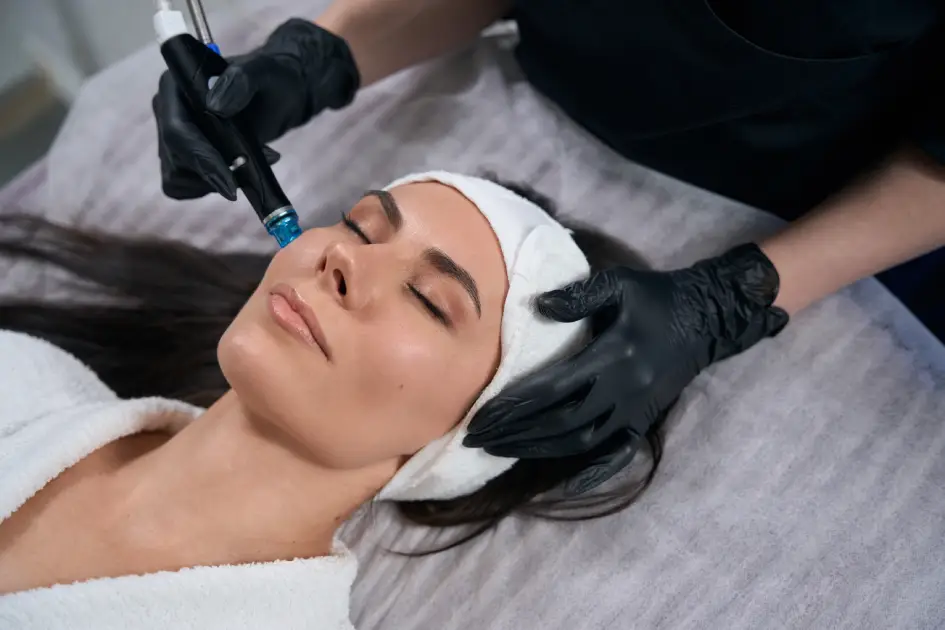
HydraFacial uses a device-based process rather than relying on exfoliation alone. Dead surface cells are loosened, debris is removed from pores through suction, and hydrating solutions are delivered to the skin. The goal is to clean and replenish the skin during the same treatment.
A chemical peel applies an exfoliating solution directly to the skin for a controlled amount of time. The type of acid, its concentration, and the depth of treatment determine how much exfoliation occurs.
This difference matters because skin does not always need aggressive resurfacing to look better. A person dealing mainly with dehydration and congestion may benefit more from cleansing and hydration. Someone with established discoloration or rough, sun-damaged skin may need more concentrated resurfacing.
Compare the Treatments by Your Main Skin Concern
Instead of comparing HydraFacial and chemical peels as competing facials, consider the specific problem you want the appointment to address.
Acne and Clogged Pores
The question of HydraFacial vs chemical peel for acne often comes down to the type of acne present. HydraFacial includes extraction, which can be useful for removing pore buildup and addressing congestion without traditional manual extractions.
Chemical peels may also be used in acne treatment plans. Salicylic acid and other exfoliating ingredients can help address oil and clogged pores, depending on the patient’s skin and acne type. Inflamed or more severe acne should be assessed before selecting either treatment.
Pigmentation and Uneven Tone
When comparing chemical peel vs HydraFacial for pigmentation, chemical peels may offer more focused exfoliation for certain types of discoloration. By encouraging damaged surface cells to shed, an appropriately selected peel can gradually improve areas of uneven tone.
HydraFacial can improve dullness by clearing surface buildup and restoring moisture, but persistent pigmentation may require a treatment specifically selected for that concern.
Sensitive or Easily Irritated Skin
A HydraFacial for sensitive skin may be considered when a patient wants exfoliation without the recovery associated with a stronger peel. Treatment settings and products can be adjusted according to skin tolerance.
Sensitivity still requires care. Recent irritation, active rashes, or a disrupted skin barrier may be reasons to postpone treatment. Chemical peels are not automatically excluded for sensitive patients either, but acid selection and treatment depth become especially important.
Sun Damage and Visible Wrinkles
A chemical peel for sun damage and wrinkles can provide controlled resurfacing when concerns include uneven texture, fine lines, or discoloration associated with cumulative sun exposure.
Peel depth affects both the potential degree of correction and the recovery involved. HydraFacial may soften the appearance of dryness-related fine lines and improve overall skin texture, but it does not provide the same degree of resurfacing as certain chemical peels.
Dry, Dull, or Congested Skin
HydraFacial may have an advantage when several mild concerns are present at the same time. Removing debris while adding hydration can make it useful for skin that feels rough, looks tired, or becomes congested without needing intensive resurfacing.
Downtime May Be the Deciding Factor
Treatment results are only one part of the decision. Recovery can matter just as much.
HydraFacial generally involves little interruption to a normal schedule. Some patients experience temporary pinkness or sensitivity, but visible peeling is not typically expected. This can make it practical before social plans or during periods when several days of skin shedding would be inconvenient.
Chemical peel recovery varies substantially. Superficial peels can cause mild dryness or flaking, while deeper treatments may produce more noticeable peeling and redness.
Post-treatment care matters for both procedures. Sun protection is particularly important because freshly exfoliated skin may be more vulnerable to UV exposure. Following provider instructions also helps reduce avoidable irritation while the skin settles.
Making the Choice Based on Your Skin
There is no need to choose a permanent side in the HydraFacial versus chemical peel comparison. Skin concerns can change with age, seasons, sun exposure, hormones, products, and treatment history.
HydraFacial may be a practical choice when hydration, congestion, gentle exfoliation, and limited recovery are priorities. Chemical peels may be more appropriate when the goal calls for targeted resurfacing of pigmentation, texture, acne-related concerns, or visible photodamage.
The useful question is not which procedure wins overall. It is which treatment matches the skin concern you want to address at this point in time.
Como Aesthetics HydraFacial in Westfield IN
At Como Aesthetics, HydraFacial in Westfield IN combines cleansing, exfoliation, extraction, hydration, and antioxidant application in one non-invasive treatment. The process is designed to address surface buildup and impurities while replenishing moisture without requiring planned downtime.
This approach can suit several different reasons for scheduling treatment. Some patients may be managing congestion or fine lines, while others may want a treatment before an event or as part of ongoing skin maintenance.
A consultation with our team can help determine if HydraFacial fits those needs or if another skin treatment is more appropriate.
Not sure if you need a peel or a HydraFacial? Call COMO Aesthetics in Westfield, IN for a personalized skin consultation today!
Frequently Asked Questions
Will a chemical peel make my skin visibly peel?
Visible peeling depends on the type and depth of the peel, with superficial treatments generally causing less flaking than stronger options.
Can I get a HydraFacial before an important event?
HydraFacial is often considered before events because it typically requires little to no planned downtime.
Can HydraFacial help with blackheads?
The extraction portion of a HydraFacial can help remove debris from congested pores, including some blackheads.